
 01
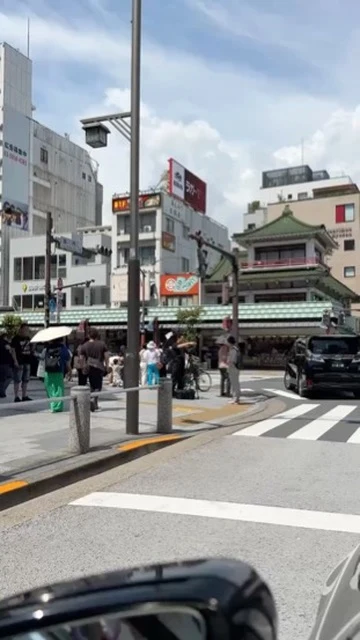
01Step out, then read the street.
Asakusa looks different from each line and exit. Before rushing to Kaminarimon, use the crossing and station buildings to fix your position.
OMEGURI TOKYO · FIELD GUIDE
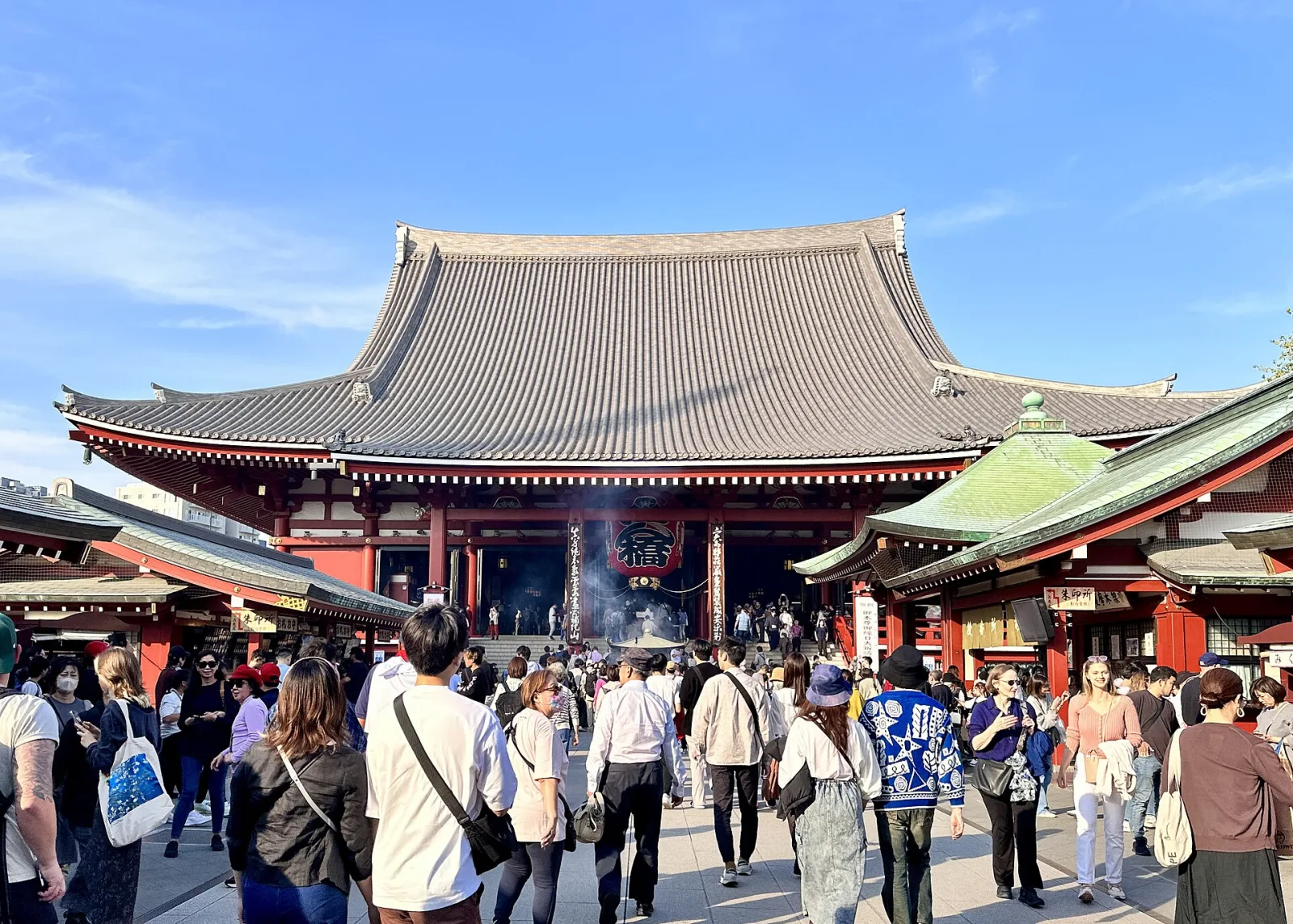
The famous sights feel different before the shopfronts wake, behind the temple, and beside the river at dusk. Choose a time, not a checklist.
PHOTO · AKONNCHIROLL / CC0
ARRIVE IN ASAKUSA
Before heading straight for Kaminarimon, take ten minutes to read the district: the open river skyline, the clock-tower station building and the rickshaws waiting beside it.
01Asakusa looks different from each line and exit. Before rushing to Kaminarimon, use the crossing and station buildings to fix your position.
 02
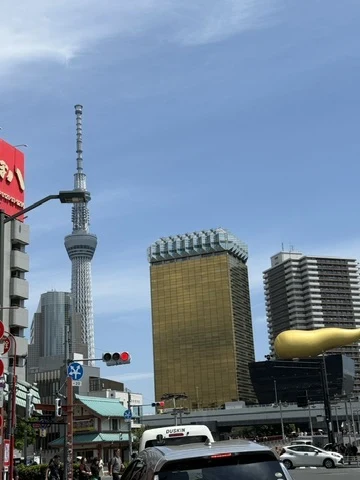
02Toward Azumabashi, Tokyo Skytree and the Asahi headquarters reveal Asakusa's more open, riverside face in a single view.
 03
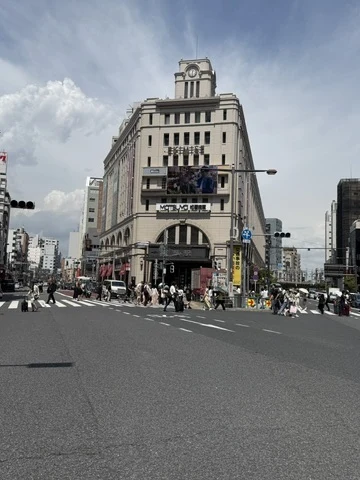
03Tobu Asakusa Station and Asakusa EKIMISE, crowned by its clock tower, make an easy meeting point between the gate and the river.
 04
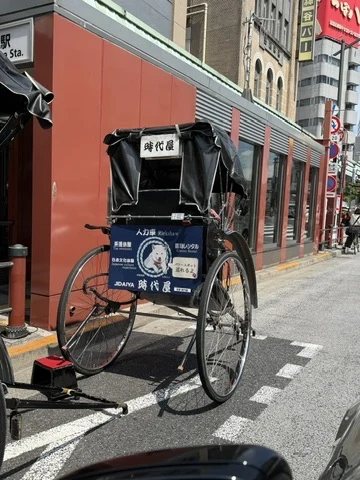
04Ask about duration and coverage before deciding on a ride. It can also reveal side streets you might otherwise miss on foot.
PHOTOS · OMEGURI TRAVEL
ASAKUSA, SEEN UP CLOSE
A sweet worth planning around, a gate that changes after dark, and a festival that turns the whole neighborhood into the destination—each note ends with a practical next step.

A SWEET ASAKUSA CLASSIC
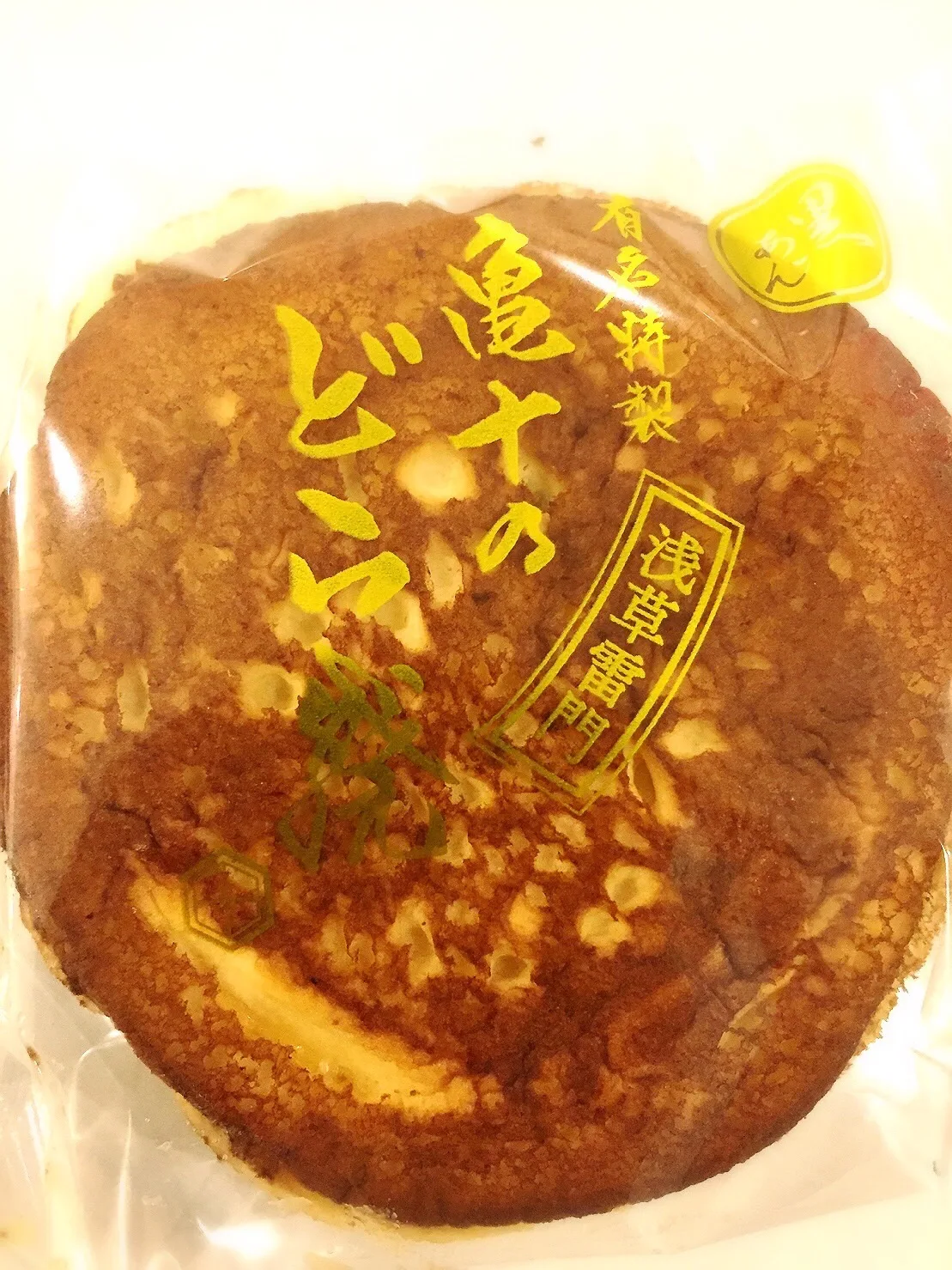
Kameju's generously sized dorayaki is an Asakusa souvenir with real character: an irregular, deeply browned pancake around a soft filling, with a much lighter bite than the compact versions sold elsewhere.
FIELD NOTE
Queues and sell-outs change by the day. Check the storefront when you first reach Kaminarimon instead of leaving the purchase until the end of your walk.
THE GATE, TWICE
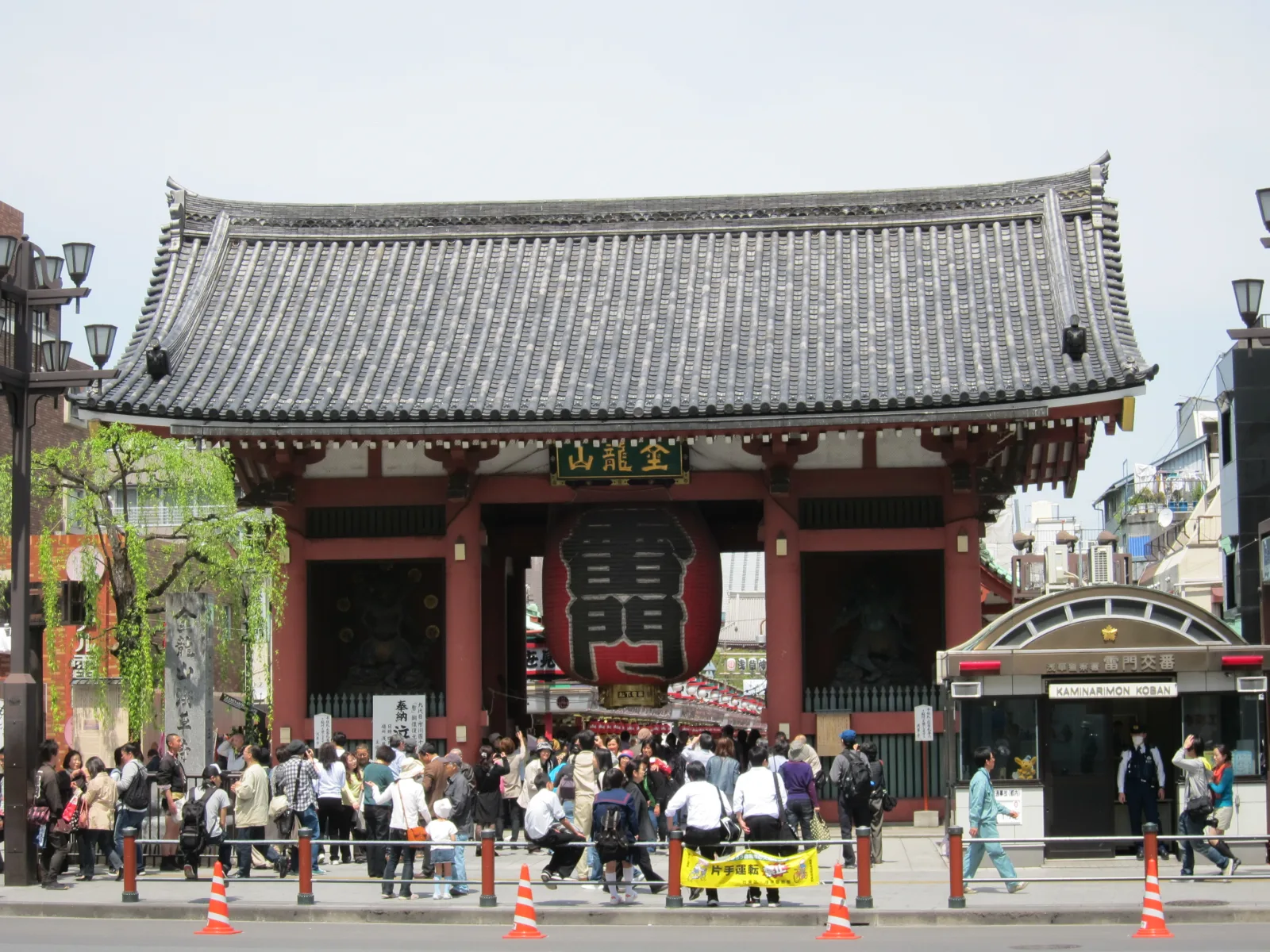
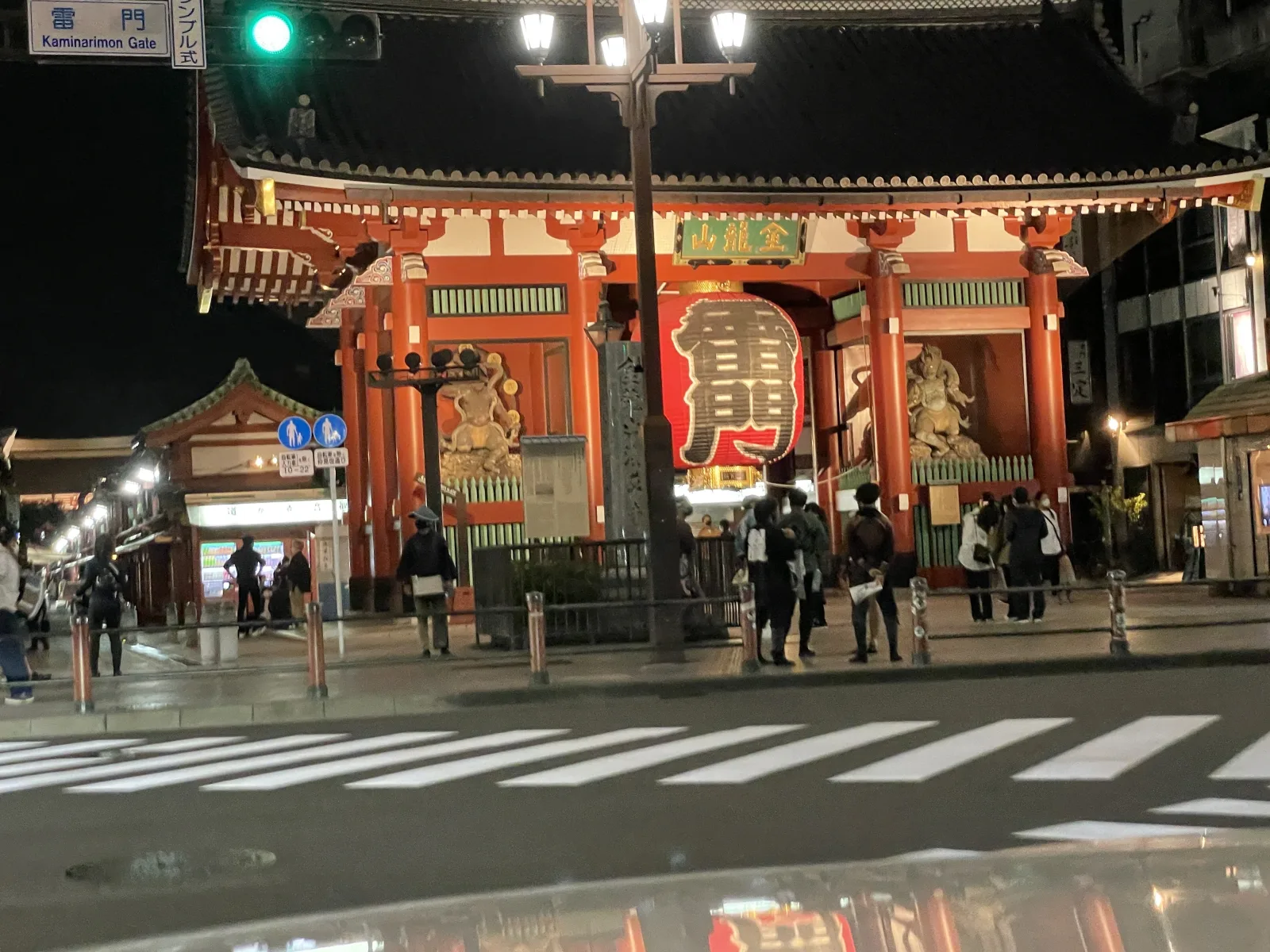
By day, the gate frames the movement into Nakamise; after dark, vermilion pillars and the giant lantern take over. The same landmark becomes a different introduction to Asakusa simply by changing the hour.
FIELD NOTE
Frame the full gate from the pavement beside the tourist center. Never step into the road for a photo; return early or later at night for more breathing room.
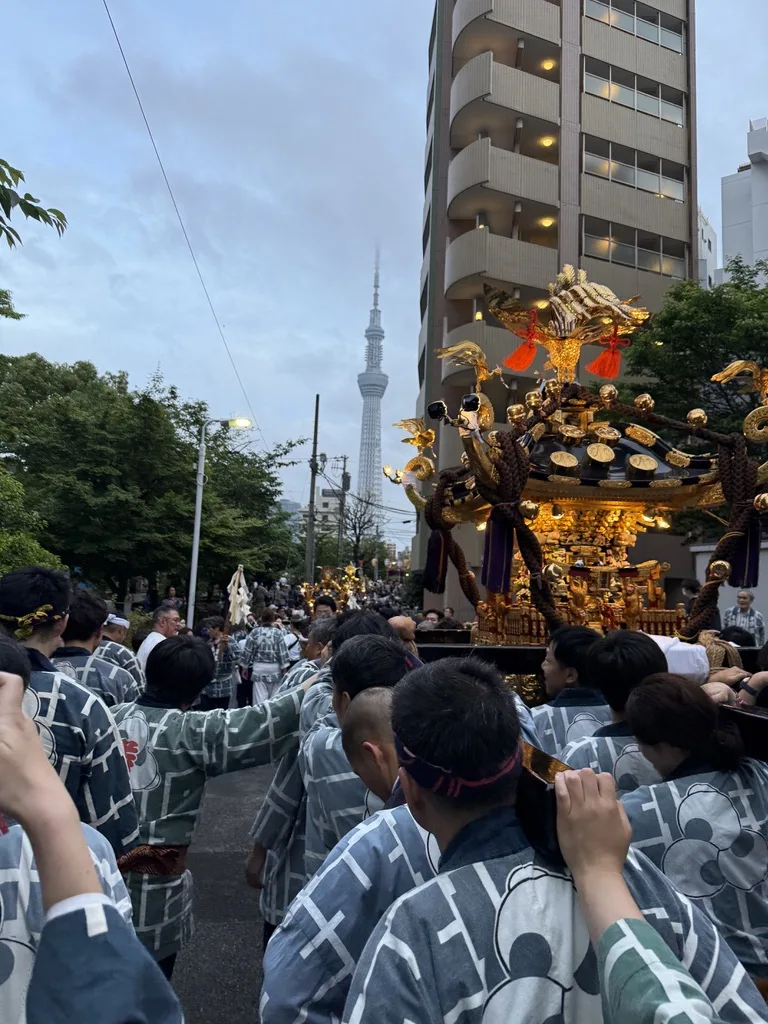
WHEN THE NEIGHBORHOOD TAKES OVER
Chants, a swaying mikoshi and Tokyo Skytree rising beyond the procession turn the streets themselves into the destination. On festival days, local communities—not a checklist of landmarks—define the Asakusa experience.
FESTIVAL-DAY NOTE
Expect road restrictions and very dense crowds. Leave generous transfer time, avoid squeezing into the procession route, and check the official same-day guidance before setting out.
PHOTOS · OMEGURI TRAVEL
FOUR WAYS THROUGH
Each route starts from a specific station exit or landmark, fits a realistic time window, and links to official information.
Walk the gate, main hall and neighboring shrine as one calm sequence before shopping crowds reshape the streets.
START HERE
Tokyo Metro Ginza Line, Asakusa Exit 1
Kaminarimon Gate
Early light leaves room to notice the lantern and gate details; photograph from the pavement.
Sensō-ji Main Hall
The main hall opens at 6:00 from April to September and 6:30 from October to March.
Asakusa Shrine
Step east of the temple for a quieter shrine atmosphere and a different layer of Asakusa history.
Orient yourself from the free observation terrace, then connect Kaminarimon, Sensō-ji and the river without backtracking.
START HERE
Asakusa Culture Tourist Information Center, 1F
Asakusa Culture Tourist Information Center
Pick up a map opposite Kaminarimon, then read the district from the free eighth-floor terrace.
Kaminarimon Gate
Early light leaves room to notice the lantern and gate details; photograph from the pavement.
Sensō-ji Main Hall
The main hall opens at 6:00 from April to September and 6:30 from October to March.
Taito City Sumida Park
Pause by the river for bridge and Skytree views; the soft evening light makes an easy finale.
Connect Kappabashi's specialist shops with Oku-Asakusa craftsmanship for a deeper look at the district's working culture.
START HERE
Tokyo Metro Ginza Line, Tawaramachi Exit 3
Kappabashi Kitchen Town
Browse tableware, knives and food samples by interest; many shops close on Sundays and holidays.
Edo Taito Traditional Crafts Center
See tools and work from about fifty craft fields for free, with multilingual smartphone guidance.
Asakusa Shrine
Step east of the temple for a quieter shrine atmosphere and a different layer of Asakusa history.
Leave the busiest temple streets behind, cross quieter Oku-Asakusa and finish with open river views at dusk.
START HERE
Sensō-ji Nitenmon Gate
Edo Taito Traditional Crafts Center
See tools and work from about fifty craft fields for free, with multilingual smartphone guidance.
Matsuchiyama Shōden
Look for the temple's daikon and treasure-bag motifs while moving from Oku-Asakusa toward the river.
Taito City Sumida Park
Pause by the river for bridge and Skytree views; the soft evening light makes an easy finale.
EIGHT USEFUL STOPS
A practical starting point with free maps, multilingual help, power, family facilities and a free terrace.
BEST · On arrival or before sunset
Official informationFamous as the gateway, but early hours leave space to notice the lantern base and guardian statues.
BEST · Around 7:00–8:30
Official informationConnect the main hall with Hōzōmon, the pagoda and Yōgōdō to understand the full precinct.
BEST · Just after the main hall opens
Official informationA quieter contrast beside Sensō-ji and a useful doorway into the neighborhood story behind Sanja Matsuri.
BEST · Morning or late afternoon
Official informationAn roughly 800-meter specialist street where cookware and tableware reward focused, comparison-minded browsing.
BEST · Weekdays, 10:00–16:00
Official informationAbout 250 works across roughly fifty craft fields make it easier to choose souvenirs through technique, not trend.
BEST · Within 10:00–18:00
Official informationDaikon and treasure-bag motifs appear throughout the grounds, rewarding a slower eye than the main precinct.
BEST · Morning to early afternoon
Official informationStep out of the dense streets, reset beside the river and frame bridges with the Tokyo Skytree skyline.
BEST · Morning or around sunset
Official informationBEFORE YOU GO
01 · Asakusa has four station systems
Ginza, Toei Asakusa and Tobu stations sit east; Tsukuba Express is west. Share both the railway and exit number.
02 · Use the main hall opening time
The main hall opens at 6:00 from April–September and 6:30 from October–March, before most Nakamise shops.
03 · Kappabashi works best on weekdays
Hours vary by shop and the association says roughly 70% close on Sundays and holidays. Check target shops that morning.
04 · Plan luggage and rest before walking
The tourist center offers restrooms, nursing space and power, but its luggage storage has ended; secure a station locker first.
LIVE FROM OFFICIAL SOURCES
Checked every 30 minutes from the Asakusa Tourism Federation and Kappabashi official feeds. Headlines remain in Japanese to avoid distorting time-sensitive details.
Asakusa Japan 浅草寺菊供養 金龍の舞奉演 令和八年十月十八日
浅草観光連盟 · Oct 18
今日の浅草 令和8年10月18日 金龍の舞が奉演されました。
浅草観光連盟 · Oct 18
今日の浅草。 「桐生八木節まつりin浅草」が、浅草六区ブロードウェイで開催されまし…
浅草観光連盟 · Oct 17
お知らせ。 革のまちを、見て、触れて、体験する。 『東京レザーコネクト第2部 in 奥…
浅草観光連盟 · Oct 14
今日の浅草。 山梨県は韮崎市の「韮崎市制祭2026」に、第41回浅草サンバカーニバル …
浅草観光連盟 · Oct 11
今日の浅草。 第41回かっぱ橋道具まつり、開催中です。 三連休初日、出没!アド街ック…
浅草観光連盟 · Oct 10